


Introduction
Within XCMG’s vast product portfolio, the internal combustion and electric forklift lines are always the focus of attention. Each line possesses unique technical advantages honed from over 80 years of the company’s experience. So, in 2026, should your business invest in a diesel “muscle machine” or an electric “smart warrior”?
1. XCMG Diesel Forklifts (XCF Series): The Power to Conquer Any Terrain
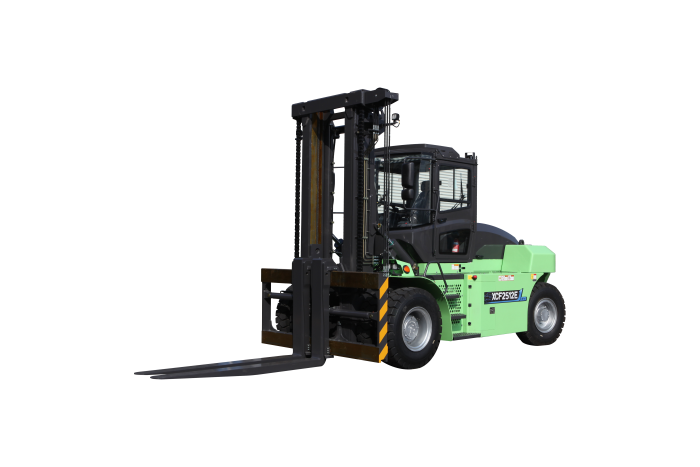
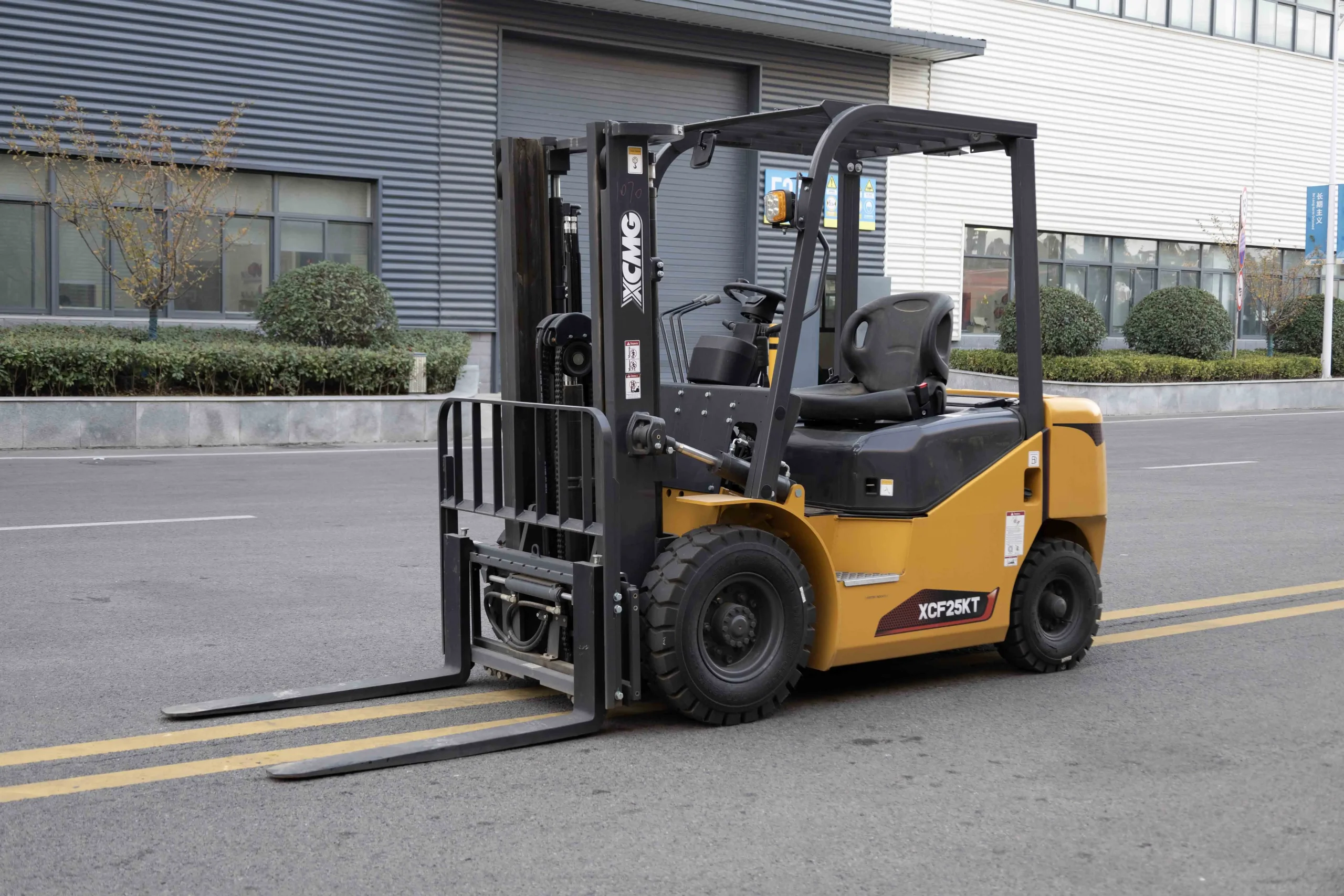
The XCMG diesel forklift line, typified by the XCF30KT (3-ton) model or the super-heavy-duty 10-25 ton models, continues to hold its position in the most demanding environments.
Outstanding Advantages:
Durable Engine: XCMG uses Euro 5 standard engines such as Xinchai or Kubota (Japan), ensuring maximum pulling power even when working continuously in hot sun or stormy weather.
Outdoor Operation Capability: With high ground clearance and flexible solid/pneumatic tires, XCMG diesel forklifts perform well on uneven surfaces such as construction sites, lumber yards, and container yards.
Low Initial Investment Cost: Compared to lithium-ion electric forklifts with the same load capacity, diesel forklifts are approximately 30-40% cheaper, suitable for newly established businesses needing a quick return on investment.
Disadvantages:
High CO2 emissions and noise.
High maintenance costs due to the complex internal combustion engine system (regular oil changes, oil filter replacements, and air filter replacements).
2. XCMG Electric Forklifts (Kunpeng & E-Series): The Pinnacle of Warehouse Efficiency
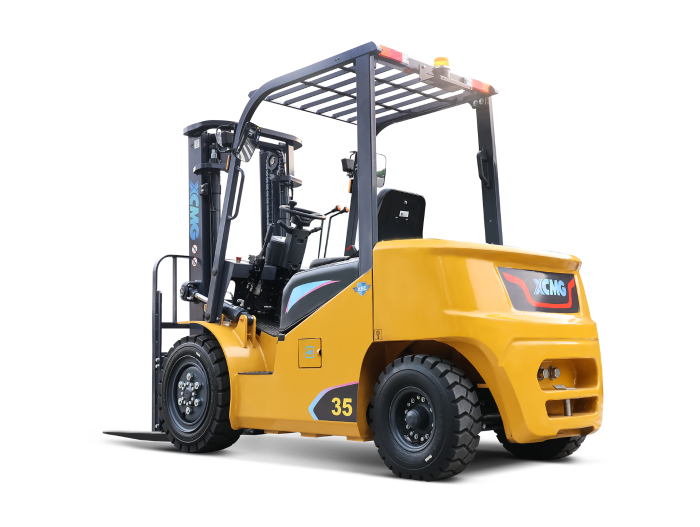
If diesel forklifts are the “king” outdoors, then XCMG electric forklifts are the “lord” in the warehouse.
Outstanding Advantages:
Super Low Operating Costs: Electricity is always cheaper than diesel. On average, electric forklifts save hundreds of thousands of VND in fuel costs per shift.
Smart Operation: Models like the Kunpeng-Series are equipped with electric power steering (EPS), making driving as effortless as driving a luxury car.
Product-Friendly: Particularly important for the food, beverage, and textile industries as there is no oil fumes clinging to the products.
Disadvantages:
Higher initial investment costs due to the value of Lithium-ion or Lead-Acid battery packs.
Requires a flat work surface to optimize tire and hydraulic system lifespan.
3. Technical Specifications Comparison Table (3 Ton Load Capacity)
| Specification | XCMG XCF30 (Diesel) | XCMG XCB-L30 (Lithium Electric) |
|---|---|---|
| Engine / Battery | Xinchai C490 / Kubota | Lithium 80V/271Ah |
| Travel Speed | 19 – 20 km/h | 17 km/h |
| Lift Speed (Loaded) | 480 mm/s | 310 mm/s |
| Gradeability | 20% | 17% |
| Emission Standard | Euro 5 | Zero Emission |
| Control System | Mechanical / Hydraulic | AC Inverter (Zapi/SME) |
4. Expert Advice from XCMG
To make the most informed decision, answer these three questions:
What is your primary work environment? (In a closed warehouse -> Choose an electric forklift; Outdoors -> Choose a diesel forklift).
What is your daily working time? (Over 8 hours/day -> Lithium-ion electric forklifts will save significantly on fuel costs, but come with a higher purchase price).
What are your environmental requirements? (If exporting goods to the US/Europe, you often need to demonstrate a green production process -> Electric forklifts are mandatory).
5. Conclusion
Both XCMG forklift lines are “heroes” in material handling. However, the global trend is clearly leaning towards electric forklifts. XCMG has wisely kept its diesel forklifts as clean as possible to meet Euro 5 standards, while simultaneously pushing its electric forklifts to new heights in terms of artificial intelligence.