


Southeast Asia – A New Front in the Global Forklift War
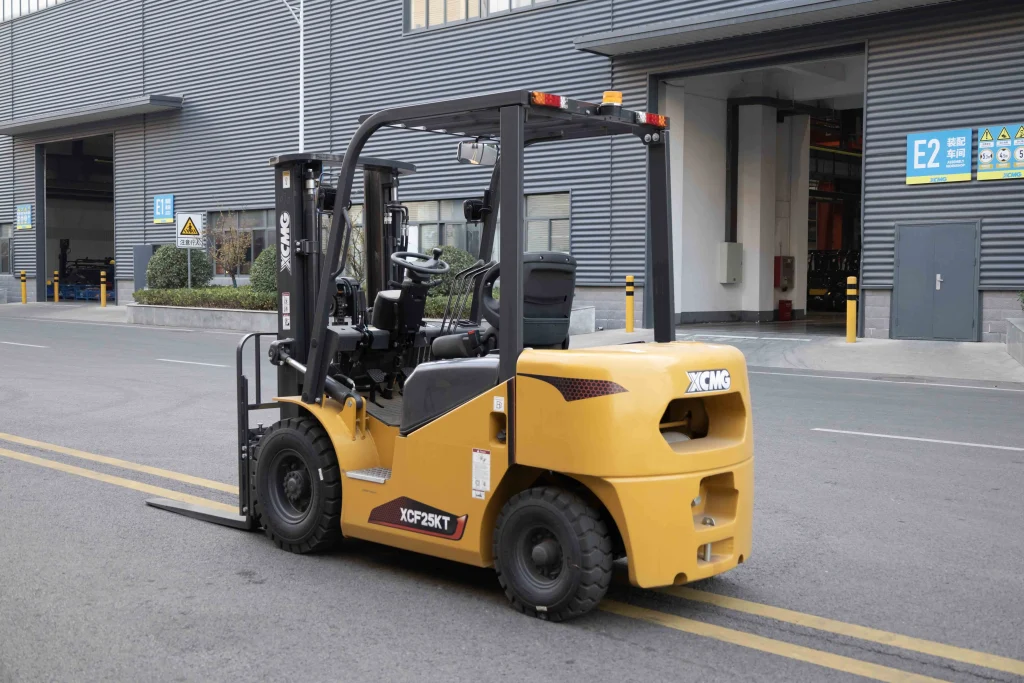
Southeast Asia is becoming one of the fastest-growing industrial forklift markets in the world. With an average GDP growth rate of 5–6% per year, and a strong influx of FDI into manufacturing, electronics, textiles, and logistics, the demand for industrial lifting equipment in the region is projected to reach US$2.3 billion by 2028, according to a report by market research firm MHIA.
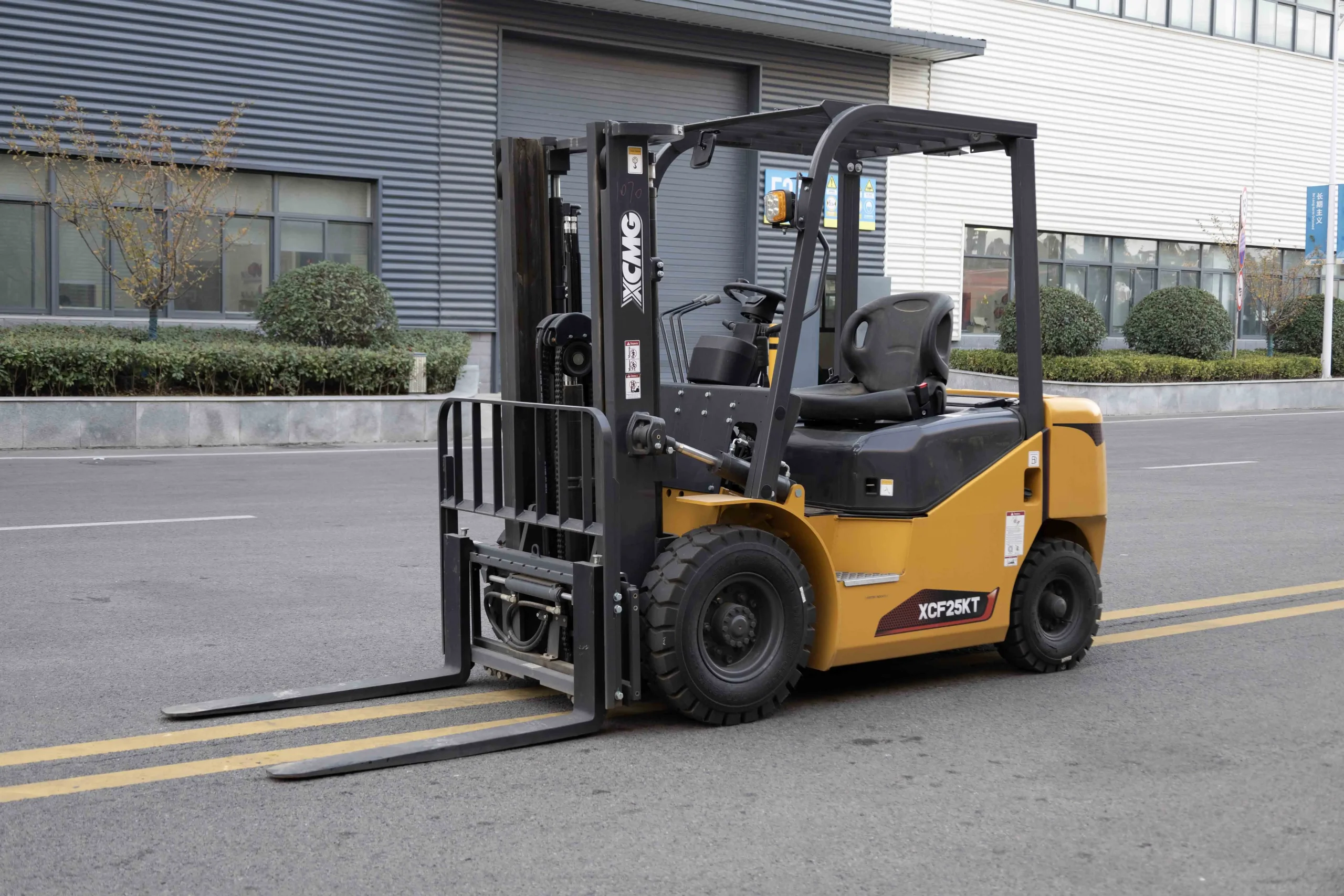
In this context, XCMG – the world’s third-largest construction machinery group and a leading Chinese manufacturer of industrial forklifts – is aggressively pursuing its Southeast Asian market penetration strategy with decisive and systematic steps.
Vietnam – A Key Market in XCMG’s ASEAN Strategy
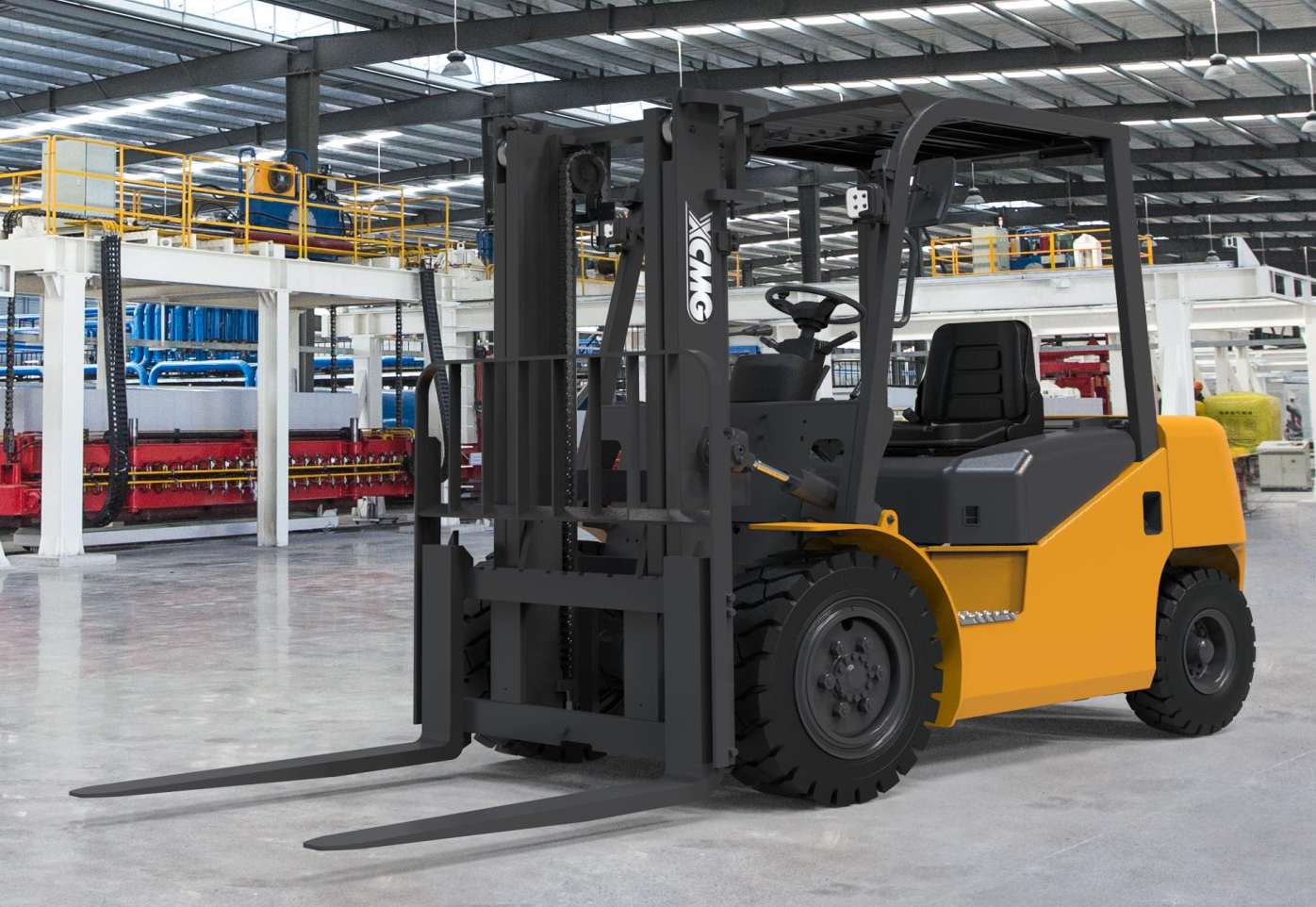
Among ASEAN countries, Vietnam is identified by XCMG as its top priority market. With over 400 operational industrial parks, leading export growth rates in the region, and an increasingly concentrated presence of major manufacturing corporations such as Samsung, LG, Intel, and Foxconn, Vietnam is creating a huge demand for industrial logistics and lifting equipment.
According to data from the Vietnam Forklift Association, the country imports and consumes approximately 8,000–10,000 new forklifts annually. Chinese forklifts (including XCMG, Heli, and Lonking) account for about 35–40% of the market share, followed by Japanese brands (Toyota, Komatsu, and Nichiyu) with 30–35%, and European brands (Linde, Still, and Jungheinrich) with about 15–20%.
XCMG currently has a wide distribution network from Hanoi, Hai Phong, and Ho Chi Minh City to Da Nang, Binh Duong, and Long An – provinces with the highest concentration of industrial parks nationwide. In particular, the company has established technical service centers with spare parts warehouses and a team of well-trained technicians at XCMG China.
Competitive Strategy: Superior Value, Reasonable Price
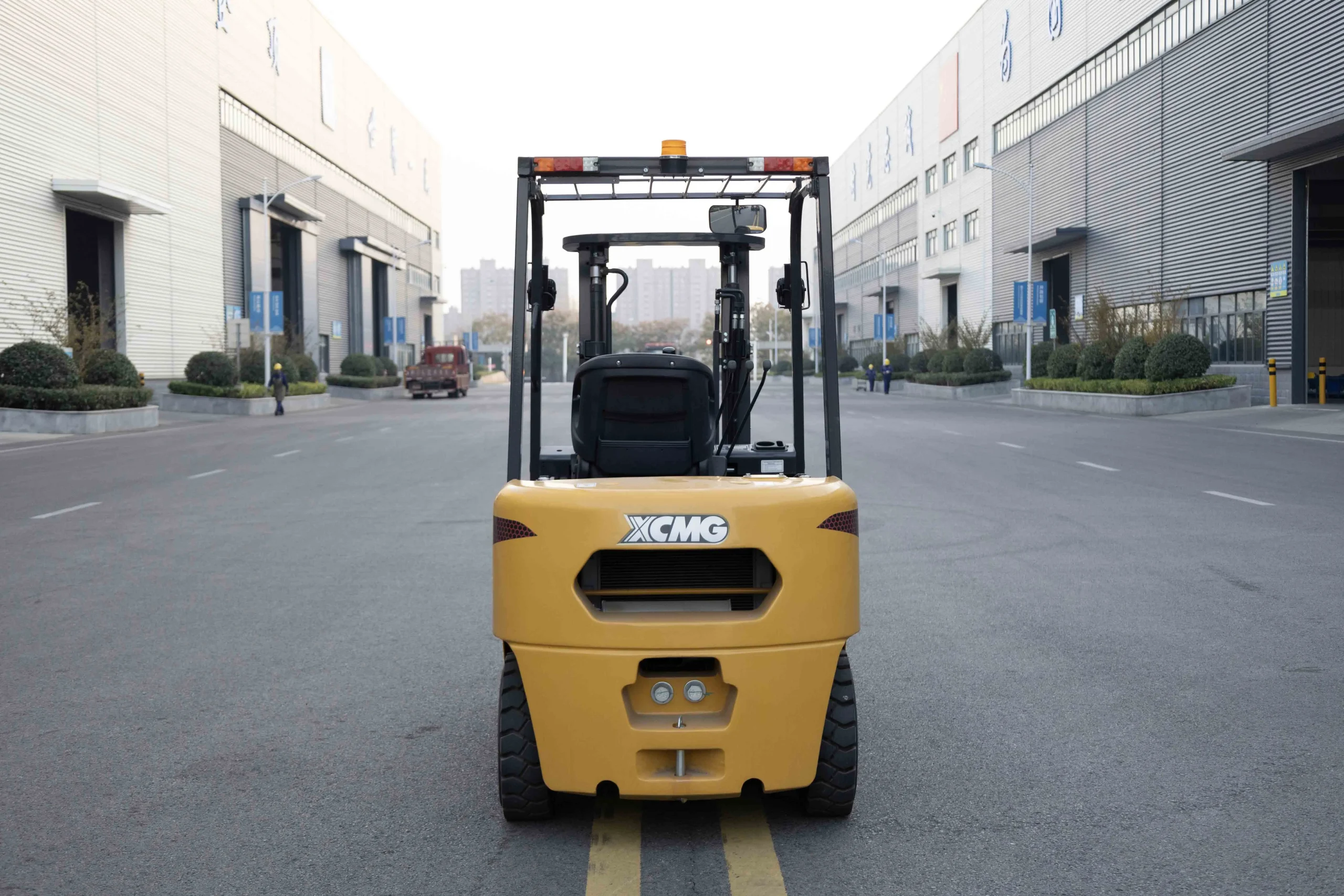
Instead of competing purely on low prices as in the past, XCMG is pursuing a “value for money” strategy – providing technical value equivalent to first-class brands at a price that is 35–45% more competitive. To achieve this, XCMG has invested billions of USD in R&D and upgraded its production lines in the period 2018–2025.
One of XCMG’s strategic moves is technical cooperation with European partners: using Deutz engines (Germany), ZF gearboxes (Germany), and Bosch electrical systems (Germany) for its high-end forklift line. This allows XCMG to directly target the market share of Korean forklifts and the low-value European products.
Furthermore, XCMG is strengthening its financial services for end users through lease-purchase and operational lease packages with flexible interest rates and terms – addressing a major barrier many SMEs face when wanting to invest in high-quality equipment but are limited by cash flow.
Challenges and Obstacles to Overcome
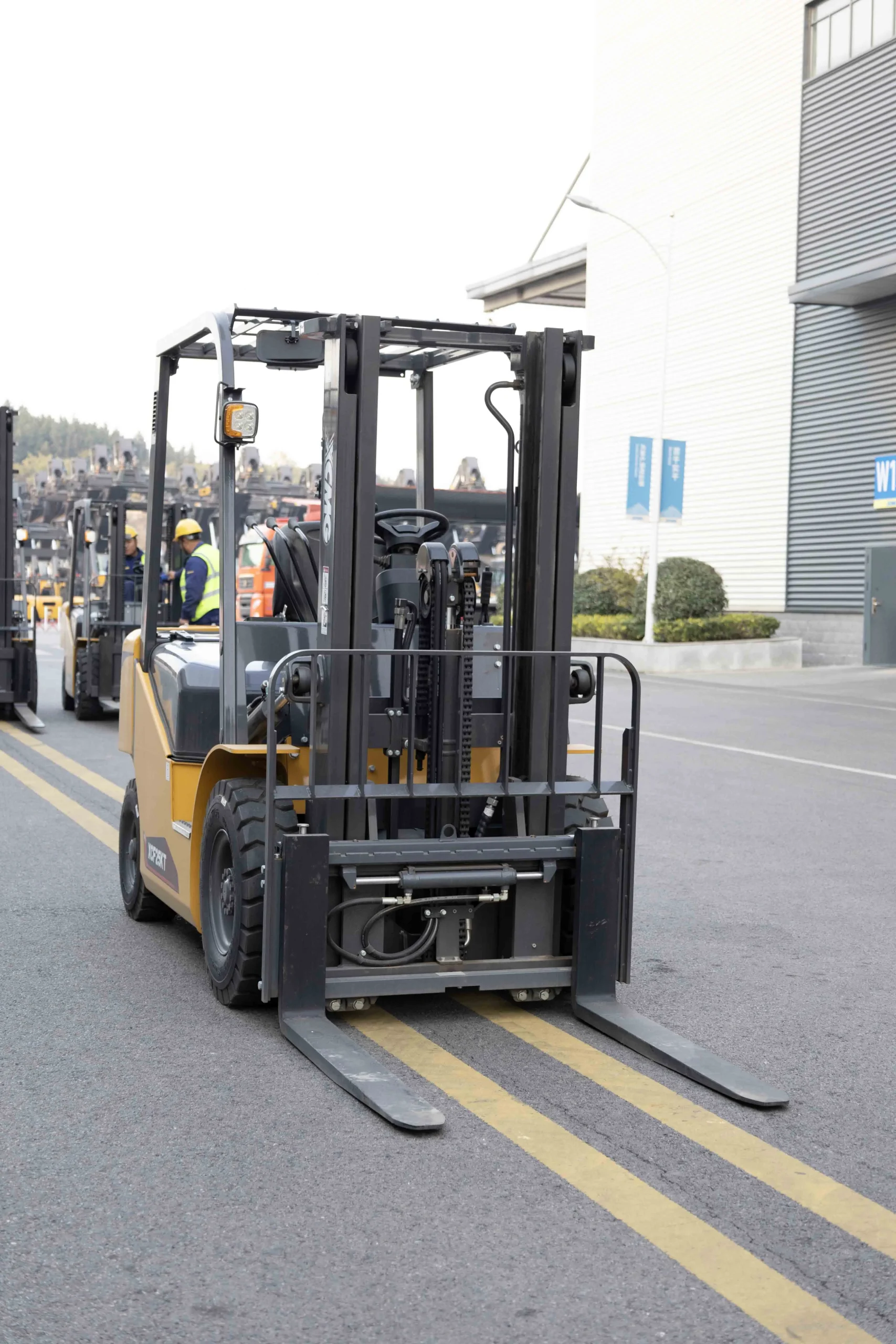
Despite its many advantages, XCMG still faces numerous challenges in the Southeast Asian market. The “preference for Japanese products” mentality remains deeply ingrained among many older manufacturing managers, especially in the automotive and electronics industries – where technical standards and reliability are non-negotiable requirements.
In addition, the inconsistent quality of after-sales service in some localities is a weakness that needs improvement. When a forklift breaks down during a production shift, each hour of downtime can cost hundreds of millions of VND – this requires a service network that is fast and strong enough to respond promptly.
Finally, the influx of cheap forklifts from smaller Chinese brands (often sold under dubious or counterfeit XCMG names) is disrupting the market and confusing customers. XCMG needs to continue investing in brand communication and intellectual property protection to safeguard its established reputation.
Looking Forward to 2030
With the foundations being built, XCMG aims to achieve a 20% market share of forklifts in key ASEAN markets (Vietnam, Thailand, Indonesia) by 2030. The company is also planning to build a regional assembly center and parts warehouse in Vietnam – a move that will significantly shorten delivery times and reduce logistics costs.
In the long term, as emission regulations in Southeast Asia become increasingly stringent in line with the Net Zero 2050 commitment, XCMG is in a favorable position with its extensive electric forklift portfolio and advanced lithium battery technology. The green transformation of Southeast Asia’s industrial sector will be the biggest opportunity for XCMG to break through and assert its true leading position.